
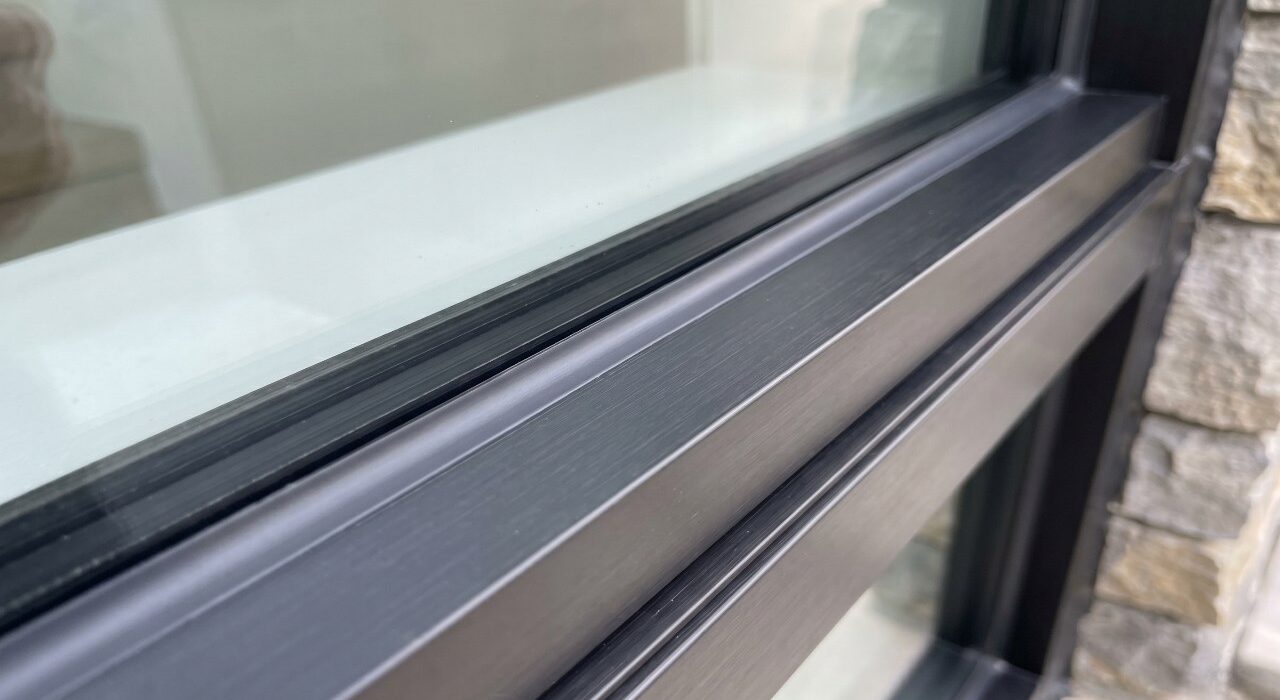
Look closely at the narrow track where your window pane slides into the surrounding frame casing. Managing the technical weatherproofing of this thin perimeter requires specialized window glazing caulking installations to operate as your direct line of defense against hidden sash water saturation and icy drafts.
This horizontal and vertical glass-to-sash boundary is the most vulnerable and exposure-prone junction on your window assembly. When this critical factory rubber bead dries out and separates from the glass, it forms an open water track that lets driving rain siphon directly inside your internal frame cavities.
Once moisture slips past a compromised glazing seal, the water does not announce itself immediately. It ponds quietly inside the dark lower sash channel, saturates the raw wood or metal profiles, and completely rots your structural window frame from the inside out before any visible exterior sign ever appears.
Glazing Dynamics: Why UV Radiation Destroys Factory Glass Seals
Glass operates as an exceptionally aggressive thermal conductor. Under direct solar radiation, a glass pane heats up rapidly and expands against its surrounding sash frame with massive physical force.
Vinyl sashes expand at a vastly accelerated rate, while wood frames absorb humidity and shift dimensionally. Aluminum frames conduct this intense heat completely differently again, creating massive friction at the glass boundary.
The structural glazing seal bridging the glass edge and the sash channel is constantly stretched, compressed, and sheared through this intense thermal differential multiple times every sunny day. Original factory rubber glazing gaskets and the consumer-grade caulks that homeowners use to replace them both contain vulnerable chemical plasticizers to keep them flexible.
Relentless solar UV radiation aggressively breaks down these flexible plasticizers through a destructive molecular process called photodegradation. As these structural plasticizers are cooked out of the compound over time, the material loses its molecular elasticity, shrinks, fractures, and peels away from the glass pane.
This is a highly accelerated deterioration process on south-facing or west-facing window elevations across the Halton Region. A factory gasket that was perfectly flexible at installation will frequently turn brittle as plastic within five to eight years under full UV exposure.
The moment the glazing seal separates from the glass face or the frame channel, water gains a wide, unshielded entry track into your sash cavity with every single rain event. This hidden moisture accumulation sits permanently against internal components, silently rotting out your window sashes from the inside out.
For a comprehensive analysis of how water entering a failed glass joint tracks through hidden window frameworks to cause severe internal damage, our article on window frame leaking water covers that moisture migration dynamic in depth. It explains exactly how to catch these underlying building envelope defects before they flood your finished living spaces.
For authoritative technical engineering standards governing structural glass seal specifications and material durability metrics, checking the National Glass Association structural glazing guidelines defines the mandatory baseline for glass-to-frame sealant applications.
Following these industrial regulations guarantees your overhead and vertical glass installations remain permanently waterproofed against intense weather cycles.
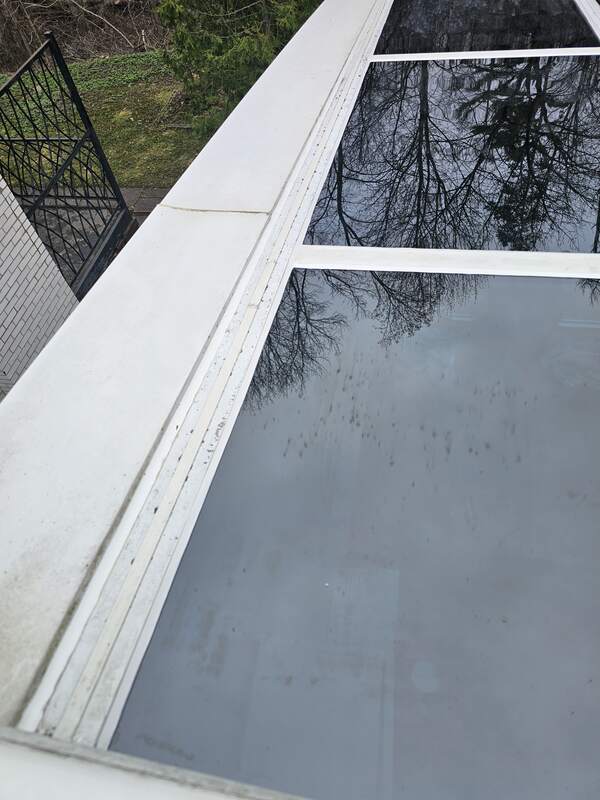
Overhead Vertical Exposure: Sloped Sunrooms and Architectural Skylights
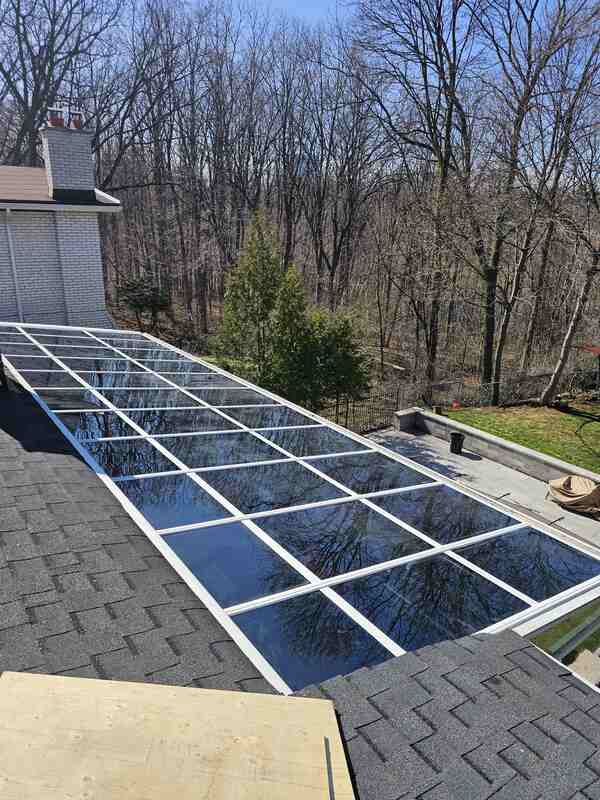
The glass-to-frame glazing seal problem is significantly more severe on sloped and overhead glass assemblies than on standard vertical window frames. While a vertical window face sheds rain downward by gravity, a sloped sunroom roof panel or a residential skylight presents the glass surface at a shallow angle that slows drainage and allows water to dwell on the glazing line.
Wind-driven rain approaching a sloped glass assembly accumulates heavily at the lower frame edge under continuous hydrostatic pressure. This constant pooling forces water against the glazing seal from above, rather than relying on gravity to carry it past the joint face.
A glazing seal that might manage vertical rain exposure adequately will fail rapidly under sustained hydrostatic loading at the lower sash edge of a sloped sunroom panel. The overhead exposure also means that any micro-gap in the glazing seal allows water to enter the frame channel and drain inward rather than outward.
This internal failure path directs moisture straight toward the interior ceiling drywall and finished living spaces, rather than away from the building envelope.
For a detailed look at how this overhead exposure affects the broader frame infrastructure beyond the glass boundary, our article on exterior skylight caulking roof frames covers the complete weatherproofing requirements for residential glass roof assemblies.
The Surgical 4-Phase Glazing Restoration Workflow
Applying new sealant over a degraded glazing bead without full extraction produces a result that fails before the next UV season. The surface of an aged glazing compound carries oxidized polymer residue, atmospheric contamination, and glass surface oils that prevent any new material from forming a primary bond.
New sealant applied over that degraded surface binds directly to the debris layer rather than the glass or frame, releasing under the first thermal expansion cycle. A lasting glazing seal demands a pristine breakout down to bare glass and bare frame channel material on both bonding faces.
Phase 1: Deliberate Glass-Edge Scraping and Brittle Gasket Extraction
All existing glazing compound, rubber gasket material, and degraded setting blocks are removed carefully using thin-blade scrapers and precision detailing tools. At the glass-to-sash interface, the extraction target is bare glass and bare sash channel walls with zero residual compound left behind.
Glass edge work requires controlled blade angles and deliberate, light strokes to avoid chipping the glass or scoring the frame. An aggressive or rushed extraction can alter the channel geometry or score the substrate, which severely compromises the new sealant’s adhesion tracks.
Phase 2: Stripping Glass Oils, Oxidation, and Atmospheric Film
After mechanical extraction, both the glass edge face and the sash channel walls are cleaned with specialized solvents to remove surface oils, oxidation, and invisible environmental films. Glass surfaces develop an invisible, weathered atmospheric film through exposure that is entirely incompatible with sealant adhesion chemistry.
This film must be fully removed or the new glazing bead will release from the glass pane within a single season. On aluminum frame sashes, surface oxidation is completely stripped away and a compatible primer is applied to ensure a permanent bond to the metal face.
Phase 3: Setting Perfect Joint Geometry Along Narrow Sash Channels
Sash channel joints that are deeper than they are wide require a firm backing support at the correct depth to establish a flexible two-point adhesion configuration.
As detailed in our comprehensive guide to professional joint preparation, preventing a three-sided bond allows the glazing compound to stretch elastically instead of tearing down the center under glass expansion.
For ultra-narrow sash channels measuring between 4mm and 6mm wide where standard foam backing ropes cannot physically fit, a specialized polyethylene bond-breaker tape is precision-slit to match the exact back-bedding depth of the frame cavity.
This engineered joint geometry allows the sealant bead to compress smoothly when the glass expands and stretch cleanly when the glass contracts.
Phase 4: Injecting High-Adhesion Neutral-Cure Silicones for Glass Boundaries
Our technician injects the specified premium neutral-cure architectural silicone deep into the prepped glass glazing channel using advanced pneumatic equipment that maintains uniform bead volume.
Utilizing a professional neutral-cure formula compliant with ASTM C920 Type S, Grade NS, Class 50 specifications is completely mandatory for this glass application.
Generic hardware store acetoxy-cure caulks release an aggressive acetic acid vapor that permanently etches, stains, and discolors delicate window films or performance glass coatings.
The freshly applied structural polymer is hand-tooled instantly to a smooth, crisp concave profile using a dedicated architectural tooling trowel.
This mechanical compression forces the compound into the microscopic pores of your window frames, establishing airtight two-point adhesion across both substrate faces and shaping the ideal cross-sectional geometry required to shed running rainwater cleanly away from your interior sub-frames.
The heavy-duty, multi-component architectural compounds we deploy at Proper Caulking are engineered to survive severe structural shifting and unshielded environmental loading without tearing loose.
These commercial-grade weatherbarriers are specifically manufactured to meet strict Canadian building codes, aligning perfectly with the rigorous testing parameters governed by the official Codes Canada publications repository hosted by the National Research Council Canada.
This superior structural grading enables the cured rubberized bead to expand and compress seamlessly through Ontario’s freezing winters and blisteringly hot summers without unzipping from your moving frames or shifting glass substrates.
5 Signs Your Window Glazing Needs Immediate Attention
A close inspection of every window sash channel on your Oakville, Burlington, or Milton home identifies every active failure before the moisture reaches the frame profile or the wall cavity. Spotting these subtle flaws early lets you correct the tracking track before it targets your home’s structural framing.
Left unsealed, these expanding gaps also invite wood-boring bugs to compromise your window sashes. To discover how ground and roofline gaps function as insect highways, explore our guide on pest prevention window caulking to lock down your structural framing boundaries.
1. Visible Glass-Face Separation and Seal Delamination
Glazing compound that has pulled away from the glass face or the sash channel wall on any side of the pane is no longer weathertight at that glass boundary. This narrow separation forms an open water channel, allowing horizontal rain to siphon straight into your window tracks during heavy rainstorms.
2. Chalky, Brittle Material and Calcified Glazing Beads
A glazing bead that has turned hard, chalky, or crumbles under light fingernail pressure has lost all elastomeric properties. It can no longer absorb movement, meaning it will fracture wide open under the very next intense thermal expansion cycle of the glass pane.
3. Localized Bottom-Edge Interior Condensation Ringing
Interior condensation forming specifically at the bottom edge of a glass pane rather than uniformly across the surface often indicates that the lower glazing seal has failed. This localized fogging confirms cold air infiltration is actively chilling the internal sash channel, altering your indoor climate control.
4. Discolored, Swollen, or Soft Wood Window Sash Frames
Wood sash frames that are discolored, soft, or swollen directly adjacent to the glass edge confirm that moisture has been entering the sash channel. This water migration saturates the internal timber profile, spawning toxic mold spores and progressive frame rot behind your paint finishes.
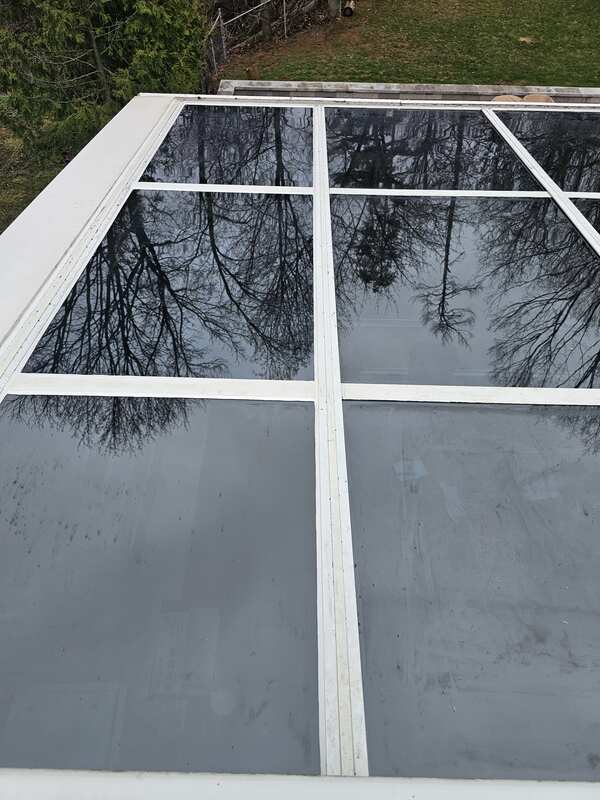
5. Original Overhead Glazing Materials Exceeding 7 Years of Exposure
Any sunroom, skylight, or commercial curtain wall glazing channel that has not been professionally inspected in more than seven years is operating beyond its expected service life. Even if the overhead compound appears smooth from the ground, its deep molecular adhesion against the glass has vanished.
Protect Your Glass from the Frame Out
A professionally restored glazing seal blocks freezing frame drafts and stops internal wood sash rot before it reaches the surrounding wall. It also prevents the destructive overhead ceiling leaks that a failed sunroom or skylight glazing bead produces with every rain event.
Contact Oleg at Proper Caulking to book an expert on-site glass glazing joint assessment for your Oakville, Burlington, or Milton property today. Our experienced team systematically inspects every window sash channel, sunroom panel edge, and sloped skylight glazing perimeter across your building envelope.
We assess the current material condition at every glass boundary and provide a transparent estimate backed by our signature 10-year workmanship warranty. Booking your evaluation early in the spring ensures your protective silicone installation is complete and fully cured before peak seasonal weather cycles arrive.
If you want to check out how our field crews seal tricky masonry transitions, exterior siding boards, or horizontal structural ledges, take a look at our full menu of exterior sealing services built to eliminate drafts throughout the Halton region.
This advanced weatherproofing deployment keeps your property insulated through intense escarpment solar baking and heavy winter freeze-thaw drops.
Protect Your Windows, Sunrooms, and Skylights From Glazing Leaks
Don’t let degraded glass-to-frame seals rot out your wood sashes, flood your sunroom rafters, or leak through your skylights. Contact us for a specialized, professional window glass glazing joint assessment today.
Proper Caulking – Oakville, Burlington & Milton, Ontario