
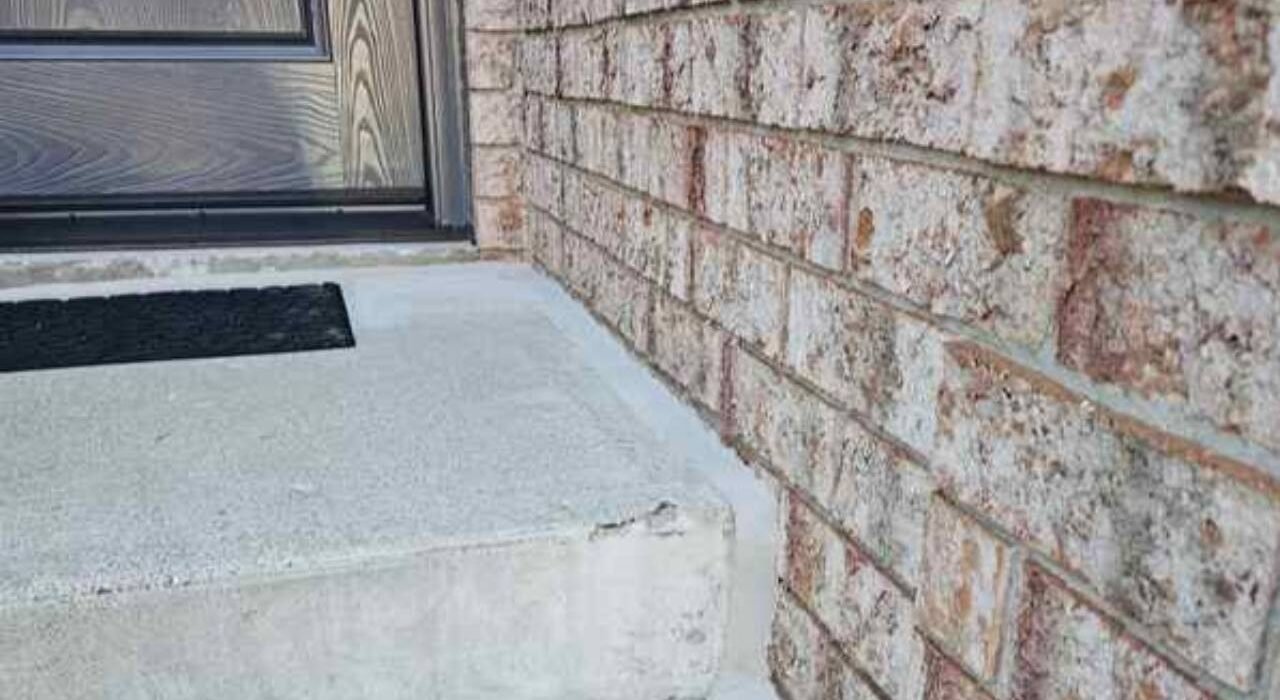
Using a comprehensive home maintenance checklist is the most effective way for local property owners to identify hidden structural defects before cold winter weather sets in. When changing Southern Ontario climate cycles place continuous thermal stress on your building envelope, minor perimeter seams quickly expand and crack open.
Generic handymen and uncalibrated painting crews approach weatherization as a basic cosmetic task. True trade precision relies on pure structural physics to shield your asset from the outside in.
Treating a moving substrate boundary with entry-level retail sealants ensures early adhesive-face tearing during the first major seasonal temperature shift. This turns a minor maintenance item into an accelerating property liability that quietly degrades your framing infrastructure.
Why Easy Structural Inspections Save Thousands
Small gaps around your exterior cladding elements act like hidden cash leaks that drain your bank account every single month. When freezing drafts strip warm air from your window trim boundaries, your furnace has to work twice as hard to maintain comfortable indoor temperatures.
Furthermore, wind-driven rainwater does not simply roll past a compromised perimeter seam. It siphons backward behind your bricks or siding panels, quietly rotting out your load-bearing lumber studs completely out of sight.
By walking your property with this simple, visual field template, you can spot these vulnerabilities in less than fifteen minutes. It gives you the exact data you need to protect your investment before minor flaws turn into emergency reconstruction projects.
📍 Quick Property Defense Guide
Using an exact, visual home maintenance checklist helps property owners identify failing exterior joints before they trigger structural rot. To block intense Lake Ontario wind loads from driving drafts behind casings, look for early signs of peeling, splitting, or empty expansion seams. Catching these moving substrate boundary issues early prevents costly sub-wall mold remediation and drops your monthly HVAC energy waste.
Exterior Leak & Energy Audit Sheet
Proper Caulking • Southern Ontario Property Protection
📋 How to Complete Your Walk:
Print out this worksheet, walk around your home’s exterior walls, and check the boxes next to any warning signs you locate. If you can check even one box below, your home may be losing energy or experiencing water intrusion that warrants closer inspection.
1. Windows & Trim Frames
Window Security Node2. Stucco Exterior Walls
Cladding Protection Node3. Driveways & Concrete Patios
Ground Foundation Tracker4. Concrete Entry Steps & Stairs
Walking Safety Tracker5. Garage Door Frames
Operational Shock TrackerSecondary Property Audit Checkpoints
Before scheduling any house painting projects, review your exterior caulking and painting preparation requirements. To help manage your monthly energy budget, inspect gaps around exterior openings and mechanical penetrations. When checking windows, also look for persistent condensation between glass panes, which can indicate an insulated glass unit seal failure.
Important Inspection Note
This checklist is a visual screening aid, not a structural assessment or energy audit. A checked item identifies a condition worth investigating; it does not by itself confirm hidden rot, a specific amount of energy loss, or a particular repair cost. For persistent moisture, extensive cracking, moving concrete, or suspected concealed damage, seek an appropriately qualified contractor or building professional.
Securing Your Property Assets Before Cold Weather Arrival
Leaving moving building envelope junctions unshielded or allowing brittle, builder-grade retail caulking to crack open creates an expanding property liability.
Once surface runoff breaches your pavement relief cuts or siphons backward behind your window capping tracks, the structural decay cycle accelerates rapidly behind your cladding lines.
Executing a multi-point perimeter walkthrough early in the season is the most reliable way to intercept these moisture tracking pathways and energy drafts before they cause advanced framing damage.
Relying on professional field workflows, complete manual compound extraction, and high-movement elastomeric polymers ensures your property investment remains perfectly dry, insulated, and structurally stable across all Ontario seasons.
Protect Your Building Envelope and Property Asset Value
Don’t let failed exterior joints, cracked masonry seams, or leaking window transitions spike your HVAC costs and disrupt your property’s structural foundation. Contact us for a specialized, professional structural joint assessment today.
Proper Caulking – Oakville & Burlington, Ontario